
Providing professional security services requires more than protecting people, property, and businesses. Security companies must operate within Washington State's laws and regulations to ensure that officers are properly qualified, trained, accountable, and respectful of the rights of the people they serve. Washington's Department of Licensing identifies Chapter 18.170 RCW and Chapter 308-18 WAC as the primary laws and rules governing security guards and private security companies. (WA Labor & Industries) For Delta Security, compliance with Washington law is a fundamental part of providing dependable, professional, and trustworthy security services.
1. Washington Security Guard Licensing Law — RCW 18.170
Washington's Chapter 18.170 RCW establishes requirements for private security guards and security companies, including licensing requirements for security personnel and companies. The law is intended to create standards for individuals entrusted with protecting people and property. Washington law specifically provides requirements concerning security guard licenses, armed security guard licenses, private security company licenses, and training. (Washington State Legislature) Delta Security prioritizes compliance by ensuring that personnel performing security duties meet the applicable Washington licensing requirements and that the company maintains appropriate oversight of employee qualifications. Proper licensing gives clients confidence that their security personnel are operating within the state's regulatory framework and that Delta Security takes its legal responsibilities seriously.

2. Washington Security Guard Training Requirements — WAC 308-18
Washington requires security personnel to receive specific training before and during their employment. WAC 308-18-300 requires eight hours of preassignment training covering subjects such as Washington licensing laws, observation, appropriate actions and reactions, citizens' arrest, authority to detain or search, use of force, emergency response, safety, and report writing. (Washington State Legislature) Postassignment training requirements also address subjects including evidence handling, use of force, court testimony, incident-scene preservation, diversity, state and local laws, ethics, and patrol. (Washington State Legislature) Delta Security prioritizes continuous training because effective security requires officers to understand not only how to respond to an incident, but also the legal boundaries within which they must operate. As Washington's Department of Licensing emphasizes, security training includes understanding the security officer's role, proper actions and reactions, ethics, diversity, and report writing. (WA Labor & Industries)

3. Washington Nondiscrimination Law — RCW 49.60
Security personnel interact with people from many different backgrounds, making fair and nondiscriminatory treatment an essential part of professional security. Washington's Law Against Discrimination, Chapter 49.60 RCW, establishes protections against discrimination in areas covered by the law and recognizes the importance of equal treatment and access. Security decisions should therefore be based on legitimate security concerns, observed conduct, applicable policies, and the circumstances of an incident—not stereotypes or assumptions about a person's protected characteristics. Washington's security training requirements also specifically include "EEO and diversity" as a postassignment training topic. (Washington State Legislature) Delta Security prioritizes treating every individual with dignity, professionalism, and fairness while maintaining a safe environment. Officers should focus on objective security concerns and apply rules consistently, helping Delta Security provide protection without compromising the rights and dignity of the people it serves.

4. Washington Trespass Law — RCW 9A.52
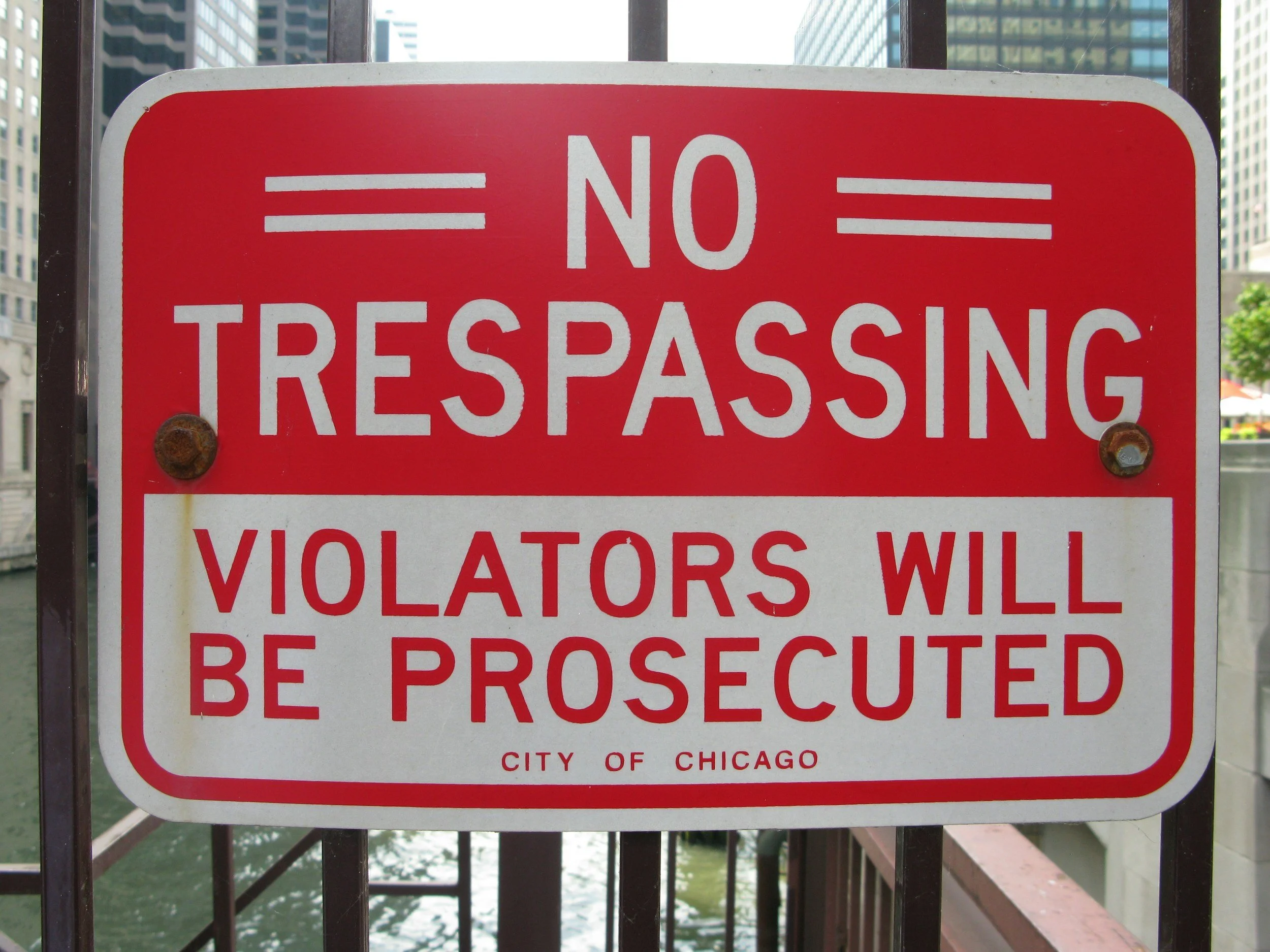
Security officers are often responsible for controlling access to private property, restricted areas, businesses, and facilities, making Washington's criminal trespass laws under RCW 9A.52 particularly relevant to security operations. Officers must understand the distinction between someone who is lawfully present and someone who is not authorized to enter or remain on property, while also recognizing the limits of private security authority. Washington's required security training specifically addresses citizens' arrest, the authority to detain, question, or search individuals, the authority to search or seize private property, use of force, and avoiding liability. (Washington State Legislature) Delta Security prioritizes lawful access control by training officers to follow established property policies and Washington law while using sound judgment and professional communication. When circumstances exceed a security officer's authority, officers should understand when the appropriate response is to involve law enforcement rather than unnecessarily escalating the situation.
5. Washington Security Guard Recordkeeping Requirements — WAC 308-18-240
Professional security requires accountability, and Washington law requires private security companies to maintain important records. WAC 308-18-240 requires companies to maintain preassignment, postassignment, and annual refresher training and testing records for each security guard, as well as certain registration and firearms-training records for armed guards. These records must be retained and available for inspection for at least three years. (Washington State Legislature) Washington's training rules likewise require detailed training records, including the guard's name and signature, subjects covered, number of hours, completion date, and certification by the trainer. (Washington State Legislature) Delta Security prioritizes accurate and organized recordkeeping because documentation demonstrates accountability, helps management verify employee qualifications, and provides a reliable record of the company's commitment to compliance. Maintaining these records also allows Delta Security to identify additional training needs and demonstrate that its officers are properly prepared to perform their assigned responsibilities.

Delta Security's Commitment to Professionalism and Compliance
Following Washington law is not simply a regulatory obligation—it is an essential component of responsible security. Proper licensing, comprehensive training, nondiscrimination, lawful access control, and accurate recordkeeping all contribute to safer and more professional security operations. Washington's regulations specifically require security personnel to understand their legal powers and limitations, use of force, emergency response, safety, and report writing. (Washington State Legislature) Delta Security believes that the best security professionals protect not only people and property, but also the rights and dignity of the individuals they encounter. By making compliance with Washington law a central part of its training, supervision, and daily operations, Delta Security can provide clients with security services founded on safety, professionalism, accountability, integrity, and trust.